Running a small business without a QuickBooks accountant is like driving cross-country without GPS — you might eventually get there, but you'll waste time, make costly wrong turns, and arrive completely stressed out. A QuickBooks accountant is the financial co-pilot every growing business needs.
If you've ever Googled "what does a QuickBooks accountant do" or wondered whether hiring one is worth the investment, you're in the right place. In this article, we break down everything a QuickBooks accountant handles, the specific value they bring to small businesses, and why the right professional can transform your company's financial health from chaotic to crystal-clear.
Who Is a QuickBooks Accountant?
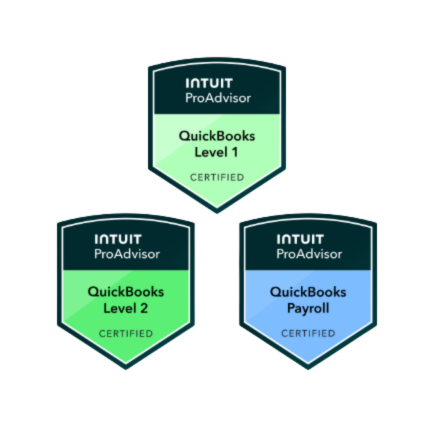
A QuickBooks accountant is a financial professional — typically a bookkeeper, accountant, or CPA — who specializes in using Intuit's QuickBooks software to manage a business's financial records. Many QuickBooks accountants hold the designation of QuickBooks ProAdvisor, a certification issued by Intuit that demonstrates a high level of expertise in using the platform across its various versions (QuickBooks Online, QuickBooks Desktop, QuickBooks Self-Employed, and more).
But their value goes far beyond simply knowing how to navigate a software dashboard. A skilled QuickBooks accountant understands accounting principles, tax compliance, financial reporting, and business cash flow management — and they use QuickBooks as the tool to bring all of that expertise to life for your business.
Quick Fact: QuickBooks is used by over 7 million businesses worldwide, making it the most widely adopted small business accounting platform on the market. A QuickBooks accountant helps you unlock the full power of that platform — instead of just scratching the surface.
The Core Responsibilities of a QuickBooks Accountant
So what does a QuickBooks accountant actually do on a day-to-day basis? Their responsibilities span far beyond basic data entry. Here's a comprehensive breakdown:
1. QuickBooks Setup and Configuration
One of the most critical — and most underestimated — tasks a QuickBooks accountant performs is setting up your QuickBooks account correctly from the start. This includes configuring your chart of accounts, setting up your bank feeds, establishing your invoice and payment templates, defining tax rates, and connecting third-party integrations. A proper setup ensures that every transaction flows into the right category and that your reports reflect reality — not confusion.
2. Ongoing Bookkeeping and Transaction Categorization
A QuickBooks accountant is responsible for recording and categorizing every financial transaction your business makes — income, expenses, payroll, loans, owner draws, and more. They reconcile your bank and credit card statements monthly to ensure your books match your actual account balances, catching errors and discrepancies before they become costly problems.
3. Accounts Payable and Receivable Management
Managing cash flow is the lifeblood of any small business. Your QuickBooks accountant tracks who owes you money (accounts receivable) and what bills you owe (accounts payable). They'll set up invoices, send payment reminders, and ensure you're not unknowingly leaving money on the table or falling behind on vendor payments.
4. Payroll Processing
Many QuickBooks accountants also manage payroll through QuickBooks Payroll, ensuring your employees are paid accurately and on time, payroll taxes are calculated correctly, and all required filings — such as Form 941, W-2s, and 1099s — are completed on schedule. Payroll mistakes are among the most expensive compliance errors a small business can make, so having an expert handle this is invaluable.
5. Financial Reporting and Analysis
QuickBooks generates dozens of reports — but knowing which reports matter and how to interpret them is where a QuickBooks accountant earns their keep. They'll produce and explain your:
- Profit & Loss Statement (P&L) — to show what you earned and spent
- Balance Sheet — to reveal your total assets, liabilities, and equity
- Cash Flow Statement — to track the movement of real cash in and out
- Accounts Receivable Aging Report — to identify overdue invoices
- Budget vs. Actuals — to measure your performance against your financial plan
6. Sales Tax Tracking and Filing
Depending on your state and industry, sales tax compliance can be complex. A QuickBooks accountant sets up accurate sales tax rates within QuickBooks, ensures tax is collected properly on invoices, and prepares or supports the preparation of your sales tax returns. Getting this wrong can trigger audits and penalties — getting it right protects your business.
7. Tax Preparation Support
While a QuickBooks accountant may not always be the person filing your tax return, they play a critical supporting role in tax preparation. Clean, well-organized QuickBooks books mean your CPA spends less time sorting through messy records — and more time identifying tax-saving opportunities. Many business owners save thousands of dollars in tax preparation fees simply because their QuickBooks accountant kept their books tidy all year long.
8. Bookkeeping Cleanup and Catch-Up
If your books are months (or years) behind, a QuickBooks accountant can perform a bookkeeping cleanup, sorting through past transactions, correcting miscategorizations, reconciling old statements, and bringing your records up to date. This is especially common for businesses that have been using QuickBooks without professional guidance.
82%
of small businesses fail due to poor cash flow management
7M+
businesses worldwide rely on QuickBooks daily
40hrs
average time business owners lose monthly to DIY bookkeeping
Why Your Small Business Needs a QuickBooks Accountant
Many small business owners try to manage QuickBooks themselves. And while the software is user-friendly on the surface, the accounting principles underneath it are not. Here's what tends to go wrong without professional help:
- Transactions get miscategorized, distorting your profit and loss reports
- Bank accounts are never reconciled, leading to hidden discrepancies
- Invoices go unpaid because no one is tracking accounts receivable
- Payroll taxes are filed late or calculated incorrectly
- Sales tax is collected but never remitted — a serious legal liability
- Year-end books are a mess, driving up tax preparation costs
- Business decisions are made on inaccurate financial data
A QuickBooks accountant eliminates all of these risks. They bring structure, accuracy, and financial clarity to your business — so you can focus on doing the work you love instead of drowning in spreadsheets.
QuickBooks ProAdvisor: What Makes Them Different?
When searching for a QuickBooks accountant, you may come across the term QuickBooks ProAdvisor. This is an official certification from Intuit awarded to accounting professionals who have completed training and passed exams on QuickBooks software features, best practices, and workflows.
A ProAdvisor-certified accountant brings a higher level of platform fluency. They know how to:
- Efficiently use advanced features like class tracking, project profitability, and custom reports
- Integrate QuickBooks with third-party tools like payroll platforms, e-commerce software, and CRMs
- Troubleshoot common QuickBooks errors without disrupting your books
- Leverage QuickBooks Online's cloud collaboration features so you always have real-time access to your data
If you're ready to experience the full power of QuickBooks for your business, get started with QuickBooks here — and pair it with a professional accountant to maximize every feature from day one.
How a QuickBooks Accountant Supports Business Growth
The role of a QuickBooks accountant isn't just historical record-keeping — it's forward-looking financial strategy. Here's how they actively help your business grow:
- Accurate Financial Visibility You can't grow what you can't measure. A QuickBooks accountant gives you a real-time, accurate picture of your business's financial health, so you know exactly where you stand at any point in the month.
- Cash Flow Forecasting By tracking patterns in your income and expenses, a QuickBooks accountant can help predict future cash flow — so you're never blindsided by a slow month or a large unexpected bill.
- Profitability by Service or Product Using QuickBooks features like class and project tracking, your accountant can show you which services or products are actually making you money — and which ones are quietly draining your resources.
- Bank Loan and Investor Readiness Whether you're applying for a business loan or seeking investors, clean, professional financial statements prepared through QuickBooks demonstrate credibility and make the approval process significantly smoother.
- Tax Strategy and Proactive Planning With organized year-round books, your QuickBooks accountant can work with your tax advisor to identify deductions, structure purchases strategically, and minimize your overall tax liability.
Industries That Benefit Most From a QuickBooks Accountant
While virtually every small business benefits from a QuickBooks accountant, certain industries see especially significant returns from this professional relationship:
- HVAC and Home Service Contractors — managing job costs, equipment expenses, and seasonal cash flow
- Plumbers and Electricians — tracking per-job profitability and managing subcontractor payments
- Roofers and General Contractors — handling large project invoices, material costs, and lien compliance
- Retail and E-Commerce — reconciling sales platforms, inventory, and sales tax across multiple states
- Restaurants and Food Service — managing payroll, tips, cost of goods sold, and vendor accounts
- Freelancers and Consultants — tracking billable hours, project income, and estimated quarterly taxes
What to Look for When Hiring a QuickBooks Accountant
Not all QuickBooks accountants are created equal. When evaluating candidates for your business, here are the key factors to consider:
- QuickBooks ProAdvisor Certification — confirms platform expertise
- Industry Experience — look for someone who understands your specific business model
- Familiarity with Your State's Tax Laws — especially important for sales tax compliance
- References and Reviews — ask for testimonials from businesses similar to yours
- Communication Style — your accountant should explain financial concepts clearly, not bury you in jargon
- Availability for Questions — financial decisions don't always wait for scheduled meetings
- Transparent Pricing — flat monthly fees are often more predictable than hourly billing for ongoing work
Frequently Asked Questions
Is a QuickBooks accountant the same as a bookkeeper?
They can overlap, but they're not always the same. A bookkeeper focuses on recording and categorizing transactions. A QuickBooks accountant may also provide higher-level financial analysis, tax preparation support, and strategic financial advice depending on their qualifications and the scope of your engagement.
Do I need QuickBooks if I hire an accountant?
Most professional accountants today use QuickBooks (or a comparable platform) as their primary tool. QuickBooks centralizes your financial data, allows for real-time collaboration between you and your accountant, and generates the reports you need to run your business — making it an essential part of the modern accounting workflow.
How much does a QuickBooks accountant cost?
Costs vary widely based on the complexity of your books, the scope of services, and your location. Monthly bookkeeping services through a QuickBooks accountant can range from a few hundred to several thousand dollars per month. Many small businesses find that the cost is easily offset by the tax savings, avoided penalties, and time saved.
Can a QuickBooks accountant work remotely?
Absolutely. QuickBooks Online is designed for cloud-based collaboration, meaning your accountant can access, update, and review your books from anywhere — and you can check your financials in real time. This makes remote QuickBooks accounting relationships both practical and common.
What's the difference between QuickBooks Online and QuickBooks Desktop?
QuickBooks Online is a cloud-based subscription product ideal for most modern small businesses. QuickBooks Desktop is a locally installed software with more advanced features suited to certain industries. A QuickBooks accountant can help you determine which version is best for your needs.
Ready to Get Your Books Under Control?
Whether you need a QuickBooks setup, monthly bookkeeping, a full cleanup, or strategic financial guidance — AcctSage is here to help. We specialize in serving HVAC contractors and home service businesses across South Florida with expert, personalized accounting support.
The Bottom Line
A QuickBooks accountant is far more than someone who enters numbers into software. They are a strategic financial partner who keeps your books accurate, your cash flow healthy, your taxes compliant, and your business positioned for growth. From the initial QuickBooks setup to month-end reconciliations, payroll processing, financial reporting, and tax preparation support — their contributions touch every corner of your business's financial life.
For small business owners — especially those in service-based industries where cash flow volatility is real and margins matter — investing in a qualified QuickBooks accountant is one of the highest-return decisions you can make. The cost of not having one is almost always greater than the cost of hiring one.
If you're ready to take the next step, schedule a free consultation with AcctSage today and let's talk about what your business needs. And if you're not yet on QuickBooks, now is the perfect time — click here to get started with QuickBooks and build the financial foundation your business deserves.