
Related Posts
You may also like this
Lorem ipsum dolor sit amet, consectetur adipiscing elit. Suspendisse varius enim in eros elementum tristique.
Running a small business without a QuickBooks accountant is like driving cross-country without GPS — you might eventually get there, but you'll waste time, make costly wrong turns, and arrive completely stressed out. A QuickBooks accountant is the financial co-pilot every growing business needs.
If you've ever Googled "what does a QuickBooks accountant do" or wondered whether hiring one is worth the investment, you're in the right place. In this article, we break down everything a QuickBooks accountant handles, the specific value they bring to small businesses, and why the right professional can transform your company's financial health from chaotic to crystal-clear.
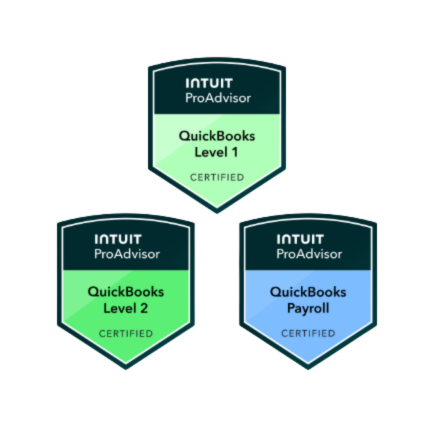
A QuickBooks accountant is a financial professional — typically a bookkeeper, accountant, or CPA — who specializes in using Intuit's QuickBooks software to manage a business's financial records. Many QuickBooks accountants hold the designation of QuickBooks ProAdvisor, a certification issued by Intuit that demonstrates a high level of expertise in using the platform across its various versions (QuickBooks Online, QuickBooks Desktop, QuickBooks Self-Employed, and more).
But their value goes far beyond simply knowing how to navigate a software dashboard. A skilled QuickBooks accountant understands accounting principles, tax compliance, financial reporting, and business cash flow management — and they use QuickBooks as the tool to bring all of that expertise to life for your business.
Quick Fact: QuickBooks is used by over 7 million businesses worldwide, making it the most widely adopted small business accounting platform on the market. A QuickBooks accountant helps you unlock the full power of that platform — instead of just scratching the surface.
So what does a QuickBooks accountant actually do on a day-to-day basis? Their responsibilities span far beyond basic data entry. Here's a comprehensive breakdown:
One of the most critical — and most underestimated — tasks a QuickBooks accountant performs is setting up your QuickBooks account correctly from the start. This includes configuring your chart of accounts, setting up your bank feeds, establishing your invoice and payment templates, defining tax rates, and connecting third-party integrations. A proper setup ensures that every transaction flows into the right category and that your reports reflect reality — not confusion.
A QuickBooks accountant is responsible for recording and categorizing every financial transaction your business makes — income, expenses, payroll, loans, owner draws, and more. They reconcile your bank and credit card statements monthly to ensure your books match your actual account balances, catching errors and discrepancies before they become costly problems.
Managing cash flow is the lifeblood of any small business. Your QuickBooks accountant tracks who owes you money (accounts receivable) and what bills you owe (accounts payable). They'll set up invoices, send payment reminders, and ensure you're not unknowingly leaving money on the table or falling behind on vendor payments.
Many QuickBooks accountants also manage payroll through QuickBooks Payroll, ensuring your employees are paid accurately and on time, payroll taxes are calculated correctly, and all required filings — such as Form 941, W-2s, and 1099s — are completed on schedule. Payroll mistakes are among the most expensive compliance errors a small business can make, so having an expert handle this is invaluable.
QuickBooks generates dozens of reports — but knowing which reports matter and how to interpret them is where a QuickBooks accountant earns their keep. They'll produce and explain your:
Depending on your state and industry, sales tax compliance can be complex. A QuickBooks accountant sets up accurate sales tax rates within QuickBooks, ensures tax is collected properly on invoices, and prepares or supports the preparation of your sales tax returns. Getting this wrong can trigger audits and penalties — getting it right protects your business.
While a QuickBooks accountant may not always be the person filing your tax return, they play a critical supporting role in tax preparation. Clean, well-organized QuickBooks books mean your CPA spends less time sorting through messy records — and more time identifying tax-saving opportunities. Many business owners save thousands of dollars in tax preparation fees simply because their QuickBooks accountant kept their books tidy all year long.
If your books are months (or years) behind, a QuickBooks accountant can perform a bookkeeping cleanup, sorting through past transactions, correcting miscategorizations, reconciling old statements, and bringing your records up to date. This is especially common for businesses that have been using QuickBooks without professional guidance.
Many small business owners try to manage QuickBooks themselves. And while the software is user-friendly on the surface, the accounting principles underneath it are not. Here's what tends to go wrong without professional help:
A QuickBooks accountant eliminates all of these risks. They bring structure, accuracy, and financial clarity to your business — so you can focus on doing the work you love instead of drowning in spreadsheets.
When searching for a QuickBooks accountant, you may come across the term QuickBooks ProAdvisor. This is an official certification from Intuit awarded to accounting professionals who have completed training and passed exams on QuickBooks software features, best practices, and workflows.
A ProAdvisor-certified accountant brings a higher level of platform fluency. They know how to:
If you're ready to experience the full power of QuickBooks for your business, get started with QuickBooks here — and pair it with a professional accountant to maximize every feature from day one.
The role of a QuickBooks accountant isn't just historical record-keeping — it's forward-looking financial strategy. Here's how they actively help your business grow:
While virtually every small business benefits from a QuickBooks accountant, certain industries see especially significant returns from this professional relationship:
Not all QuickBooks accountants are created equal. When evaluating candidates for your business, here are the key factors to consider:
Whether you need a QuickBooks setup, monthly bookkeeping, a full cleanup, or strategic financial guidance — AcctSage is here to help. We specialize in serving HVAC contractors and home service businesses across South Florida with expert, personalized accounting support.
A QuickBooks accountant is far more than someone who enters numbers into software. They are a strategic financial partner who keeps your books accurate, your cash flow healthy, your taxes compliant, and your business positioned for growth. From the initial QuickBooks setup to month-end reconciliations, payroll processing, financial reporting, and tax preparation support — their contributions touch every corner of your business's financial life.
For small business owners — especially those in service-based industries where cash flow volatility is real and margins matter — investing in a qualified QuickBooks accountant is one of the highest-return decisions you can make. The cost of not having one is almost always greater than the cost of hiring one.
If you're ready to take the next step, schedule a free consultation with AcctSage today and let's talk about what your business needs. And if you're not yet on QuickBooks, now is the perfect time — click here to get started with QuickBooks and build the financial foundation your business deserves.
Lorem ipsum dolor sit amet, consectetur adipiscing elit. Suspendisse varius enim in eros elementum tristique.