You launched your business with a vision — not a spreadsheet. But as invoices pile up, tax season looms, and cash flow grows harder to predict, one question inevitably surfaces: Do I really need a professional accountant? For most small business owners, the answer is a resounding yes.
Small business accounting is far more than tracking income and expenses. Done right, it becomes a strategic tool that helps you grow profitably, avoid costly mistakes, and make smarter decisions with confidence. In this guide, we'll walk through exactly what an accountant does, when you need one, and how the right financial partnership can transform your business.
What Does "Small Business Accounting" Actually Mean?
Small business accounting refers to the systematic process of recording, organizing, and interpreting your company's financial transactions. It encompasses everything from daily bookkeeping and bank reconciliations to monthly financial reporting, payroll processing, sales tax compliance, and annual tax preparation.
At its most basic, good small business accounting answers three essential questions:
- Where is my money coming from? — Understanding your revenue streams and which services or products are most profitable.
- Where is it going? — Tracking every expense so you can identify waste, manage vendors, and optimize your margins.
- How healthy is my business financially? — Reading balance sheets, profit and loss statements, and cash flow reports with clarity.
When these questions have clear, accurate answers, you can lead your business from a position of strength — not guesswork.
Signs You've Outgrown DIY Bookkeeping
Many small business owners start out handling their own books. It makes sense when you're lean and every dollar matters. But there comes a tipping point when the cost of doing it yourself — in time, errors, and missed opportunities — far exceeds the cost of professional help. Here are the warning signs:
- You dread tax season. If you're scrambling to pull together records in April, your financial systems are not working for you year-round.
- You're not sure if you're actually profitable. Revenue alone doesn't tell the full story. If you can't read a profit and loss statement with confidence, you're flying blind.
- You've missed a payroll tax deadline. Payroll compliance is complex and unforgiving. One mistake can trigger IRS penalties that cost far more than an accountant's monthly fee.
- You're thinking about hiring employees. This triggers payroll taxes, workers' compensation, employee classification rules, and more. A professional accountant is essential here.
- Your business is growing fast. Rapid growth is exciting — and financially dangerous if your books can't keep up. Cash flow gaps can appear without warning.
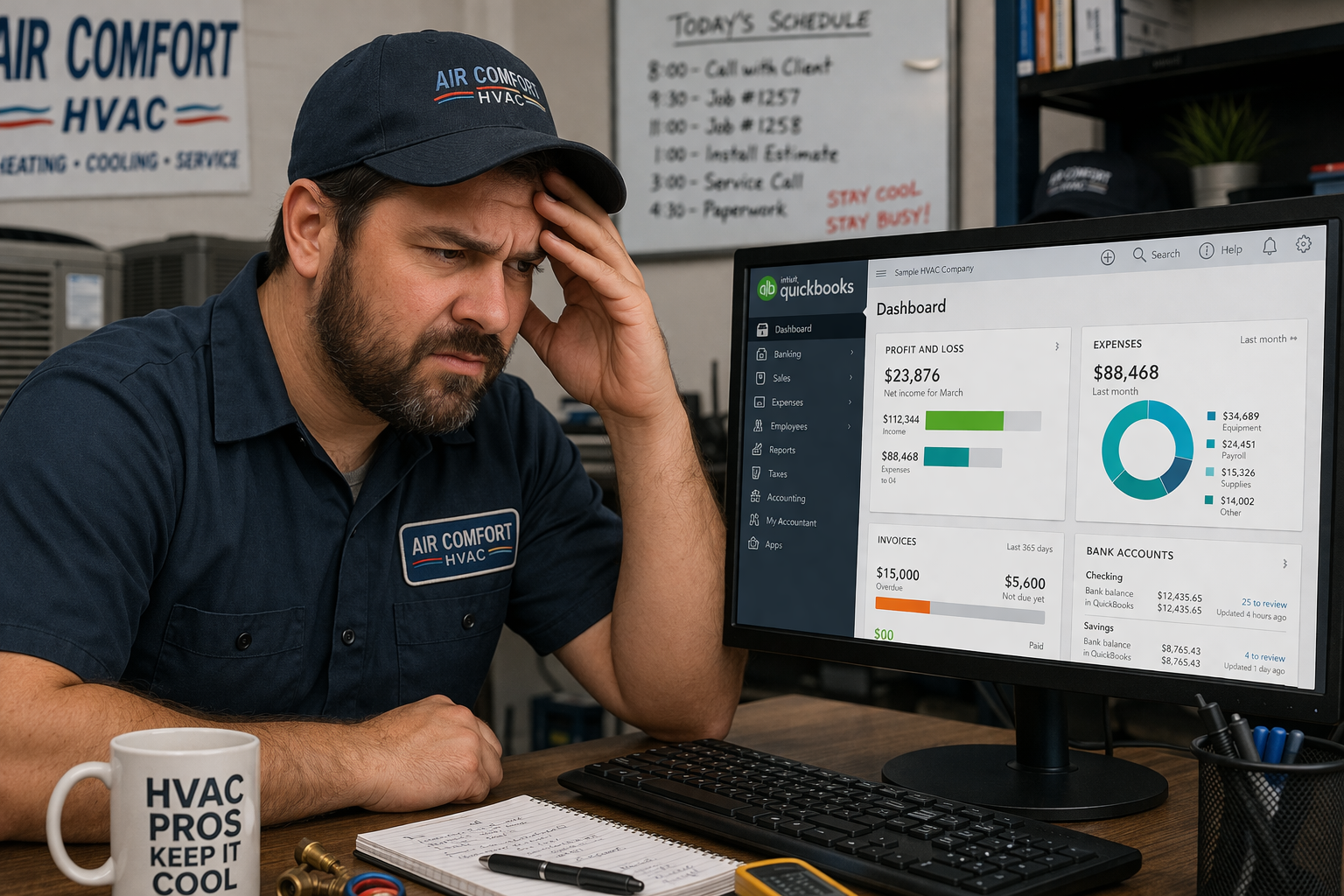
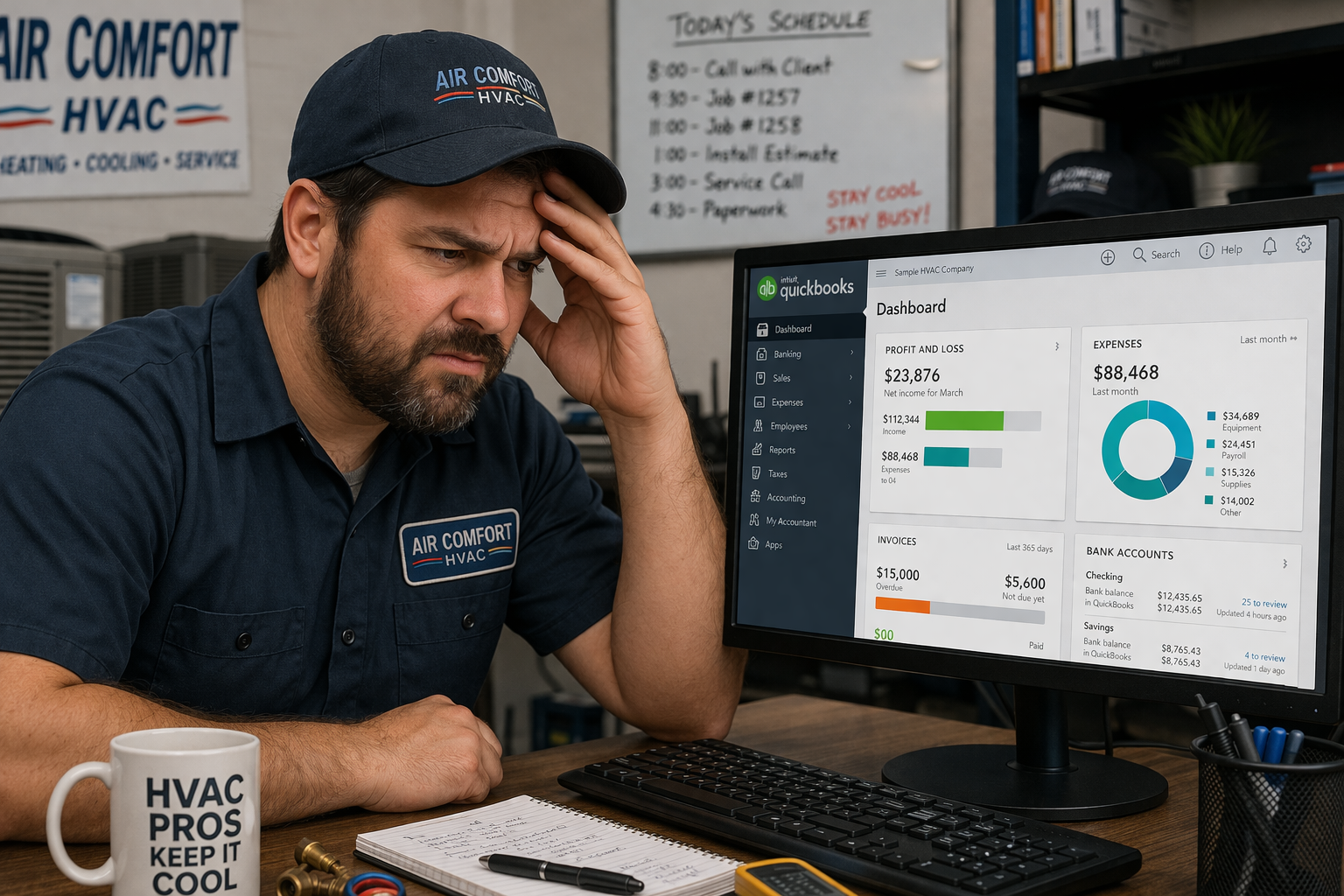
- You're spending hours each week on finances instead of your craft. Your time has real dollar value. Every hour wrestling with QuickBooks is an hour not spent serving clients or growing your business.
The AcctSage Perspective: At AcctSage, we work with HVAC contractors, plumbers, electricians, and home service professionals throughout South Florida. The business owners who thrive are rarely the ones who do everything themselves — they're the ones who delegate their weaknesses and double down on their strengths.
What a Small Business Accountant Actually Does for You
The word "accountant" often conjures images of tax forms and number-crunching. But a skilled small business accountant is far more versatile — and far more valuable — than that narrow view suggests.
Monthly Bookkeeping & Financial Reporting
Your accountant keeps your books current, categorized, and reconciled every single month. This means you receive clean, accurate profit and loss statements, balance sheets, and cash flow reports on a consistent schedule. You stop guessing — and start knowing.
Tax Strategy & Preparation
A great accountant doesn't just file your taxes — they plan ahead to minimize your tax liability legally and strategically. From maximizing deductions to choosing the right business entity structure, proactive tax strategy can save a small business thousands of dollars annually.
Cash Flow Forecasting
Cash flow is the lifeblood of any small business. A skilled accountant can model your revenue cycles, anticipate slow periods, and help you make smart decisions about hiring, equipment purchases, and credit lines — before you're in a crunch, not after.
Payroll Setup & Compliance
Payroll isn't just cutting checks. It involves federal and state tax withholdings, quarterly filings, W-2s and 1099s, and employer tax contributions. Getting this wrong is expensive. Getting it right — every time — is what a professional accountant delivers.
Sales Tax Management
If your business sells products or taxable services, you are responsible for collecting, tracking, and remitting sales tax accurately. For businesses operating in Florida, this adds a layer of state-specific compliance that your accountant navigates on your behalf.
Virtual CFO Services
Larger businesses have Chief Financial Officers making high-level financial decisions. With a Virtual CFO service, small business owners access that same executive-level financial insight without the six-figure salary. This includes strategic planning, KPI tracking, and financial modeling tailored to your growth goals.
"The right accountant doesn't cost you money — they make you money. And they save you from the costly mistakes you don't even know you're making."
The Real Cost of Not Having an Accountant
It's tempting to view professional accounting as a luxury. In reality, the absence of proper small business accounting is almost always more expensive than the service itself. Consider these common and costly mistakes:
- Misclassified expenses that trigger IRS audits and back-taxes
- Mixing personal and business finances, which creates legal liability and accounting chaos
- Missed quarterly estimated tax payments, leading to underpayment penalties
- Incorrect payroll tax filings, which carry compounding IRS penalties
- Overestimating profitability and making hiring or expansion decisions based on faulty data
- Failing to track accounts receivable, leaving thousands of dollars uncollected
Industry insight: A study by the National Small Business Association found that small business owners spend an average of 41 hours per year on federal taxes alone — time that could be redirected toward revenue-generating activities with a professional in place.
Choosing the Right Accounting Software
Even with a professional accountant managing your books, having the right small business accounting software in place makes the entire process smoother, faster, and more transparent. The industry standard for most small businesses is QuickBooks — and for good reason.
QuickBooks offers cloud-based bookkeeping, invoicing, payroll integration, bank feeds, and real-time reporting — all in one platform. It connects seamlessly with your bank accounts, syncs with third-party apps, and gives your accountant direct visibility into your financials without endless email chains or exported spreadsheets.
If your business doesn't already use QuickBooks, getting started is easier than ever. It's the platform AcctSage uses with most of our clients — and it's designed to scale right alongside your business.
Try QuickBooks for Your Business →How Much Does a Small Business Accountant Cost?
Accounting costs vary based on the size of your business, transaction volume, and the services you need. That said, here's a general breakdown of what small business owners typically invest:
- Monthly bookkeeping: $200–$800/month for most small businesses
- Payroll processing: $50–$200/month depending on employee count
- Annual tax preparation: $500–$2,500+ depending on entity type and complexity
- Virtual CFO services: $500–$2,000/month for higher-level strategic support
When weighed against the IRS penalties avoided, taxes saved, and hours reclaimed, professional small business accounting almost always pays for itself — and then some.
How to Know You've Found the Right Accountant
Not all accounting firms are built the same. When evaluating a small business accountant, look for someone who:
- Specializes in your industry, not just small business in general
- Communicates proactively — not just during tax season
- Uses modern, cloud-based accounting software
- Explains your financial reports in plain language, not jargon
- Treats your business goals as their own
Specialization matters more than most business owners realize. An accountant who works exclusively with HVAC companies, plumbers, and home service contractors understands your cost of goods, seasonal cash flow patterns, equipment depreciation strategies, and licensing fee structures in ways a generalist simply cannot.
Frequently Asked Questions About Small Business Accounting
Do I need an accountant or just a bookkeeper?
Bookkeepers handle day-to-day transaction recording. Accountants interpret that data, provide strategic insight, handle tax planning, and ensure compliance. Most growing small businesses benefit from both — or from an accounting firm that provides both services under one roof.
Can I do my own accounting using software like QuickBooks?
Yes, but software is only as accurate as the person using it. QuickBooks is a powerful tool, but without proper setup and financial knowledge, it's easy to miscategorize transactions, create duplicate entries, or miss critical reconciliations. Most business owners find that pairing software with a professional accountant delivers the best results.
How often should I meet with my accountant?
At minimum, quarterly check-ins allow your accountant to catch issues early, prepare estimated tax payments, and advise on major financial decisions. Many business owners benefit from monthly reviews, especially during periods of growth.
What records should I keep for my accountant?
Keep all bank statements, receipts for business expenses, invoices sent and received, payroll records, and tax filings. Cloud-based accounting systems like QuickBooks make storing and organizing these records effortless.
Is small business accounting tax-deductible?
Yes. Accounting and bookkeeping fees are considered ordinary and necessary business expenses, which means they are fully deductible. The cost of professional financial services effectively reduces your taxable income.
The Bottom Line: Is It Worth It?
If you're asking whether a small business accountant is worth it, the honest answer is: almost certainly yes. The question isn't whether you can afford professional small business accounting — it's whether you can afford to go without it.
When your books are clean, your taxes are optimized, your cash flow is predictable, and your financial reports are accurate, you're not just running a business. You're building one — with clarity, confidence, and a real financial foundation beneath you.
At AcctSage, we've spent over a decade working with home service business owners right here in South Florida. We understand your industry, your pressures, and your goals. Whether you need monthly bookkeeping, payroll support, a QuickBooks setup, or a full Virtual CFO experience, we're here to be the financial partner your business deserves.
Ready to Get Your Books Working for You?
Stop dreading your finances and start using them as a growth tool. Schedule a free consultation with AcctSage today — no obligation, no jargon, just clarity.
Book Your Free Consultation